
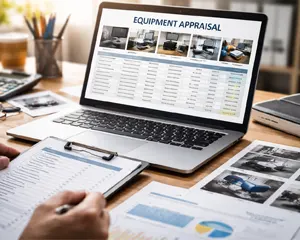
A desktop appraisal’s accuracy depends on two things working together: a qualified appraiser applying the right methodology, and the client providing information thorough enough to support it. Here’s what actually affects that outcome, and what to do on your end.
Choose a Credentialed Appraiser
Look for credentials from recognized bodies, the American Society of Appraisers (ASA), NACVA, ISBA, or the NEBB Institute’s Master Certified Machinery and Equipment Appraiser designation. These aren’t just titles, they require ongoing education and adherence to USPAP standards, which directly affects whether the resulting report will hold up to lender, auditor, or legal scrutiny later. Our appraisers hold these exact credentials, which is worth checking for whoever you work with.
Provide Information That Actually Helps
A desktop appraisal has no physical inspection to fall back on, so the quality of what you provide directly determines the quality of the result. Specifically:
- Make, model, year, and serial number for every asset, not a general description
- Clear photographs showing condition, not just a stock or catalog image of the model
- Maintenance and service records, since documented upkeep affects how an appraiser interprets wear relative to age
- Any modifications, since a modified asset can value differently than a stock configuration
For a full breakdown of what to gather before requesting a report, see our documentation checklist for USPAP-compliant appraisals.
Understand Which Valuation Approach Applies
Appraisers use the cost, market comparable, and income approaches, and different assets call for different weightings. Equipment with an active resale market (common industrial machinery, restaurant equipment) leans on market comparable data; custom-built or specialized equipment with no clear comparable leans more on the cost approach. You don’t need to choose the methodology yourself, but understanding why your appraiser picked one helps you evaluate whether the resulting report makes sense for your equipment.
Review the Report Before Relying On It
Once you receive the report, check that every asset you submitted is accounted for, and that the methodology explanation matches the equipment type, a report using only market comparable data for highly custom equipment, for example, is worth asking about. A credible appraiser will walk you through this if anything is unclear.
Consider Reappraisal When Circumstances Change
Equipment value shifts with market conditions, age, and modifications. If a prior appraisal is more than a year or two old, or the equipment has undergone significant changes, a fresh appraisal is often worth requesting before relying on the old figure for a new transaction, especially for financing, litigation, or sale purposes where an outdated valuation could be challenged.
Frequently Asked Questions
Does providing more photos always improve accuracy?
Only if they show condition clearly, close-ups of wear points, damage, or modifications matter more than volume. A handful of clear, relevant photos is more useful than dozens of generic shots.
How old can a previous appraisal be before it needs updating?
There's no universal rule, but for financing, litigation, or sale purposes, most lenders and courts expect a valuation that reflects current market conditions, generally within the past year or so, particularly if the equipment or market has changed meaningfully since the last report.
Working with a credentialed appraiser on a report you can trust starts with providing the right information from the start. See our USPAP compliance standards or request an appraisal once you're ready to begin.